Dry pigment is the starting point for many kinds of paint. On its own, a pigment is simply a finely ground colored substance. To turn that powder into something that can be brushed, poured, spread, or drawn onto a surface, artists mix it with a binder.
The choice of binder determines almost everything about the resulting paint: how it flows, how transparent or opaque it is, how quickly it dries, how it feels on the surface, and how permanent it will be.
There isn't one universal binder. Different traditions have developed different ways of turning pigment into paint.
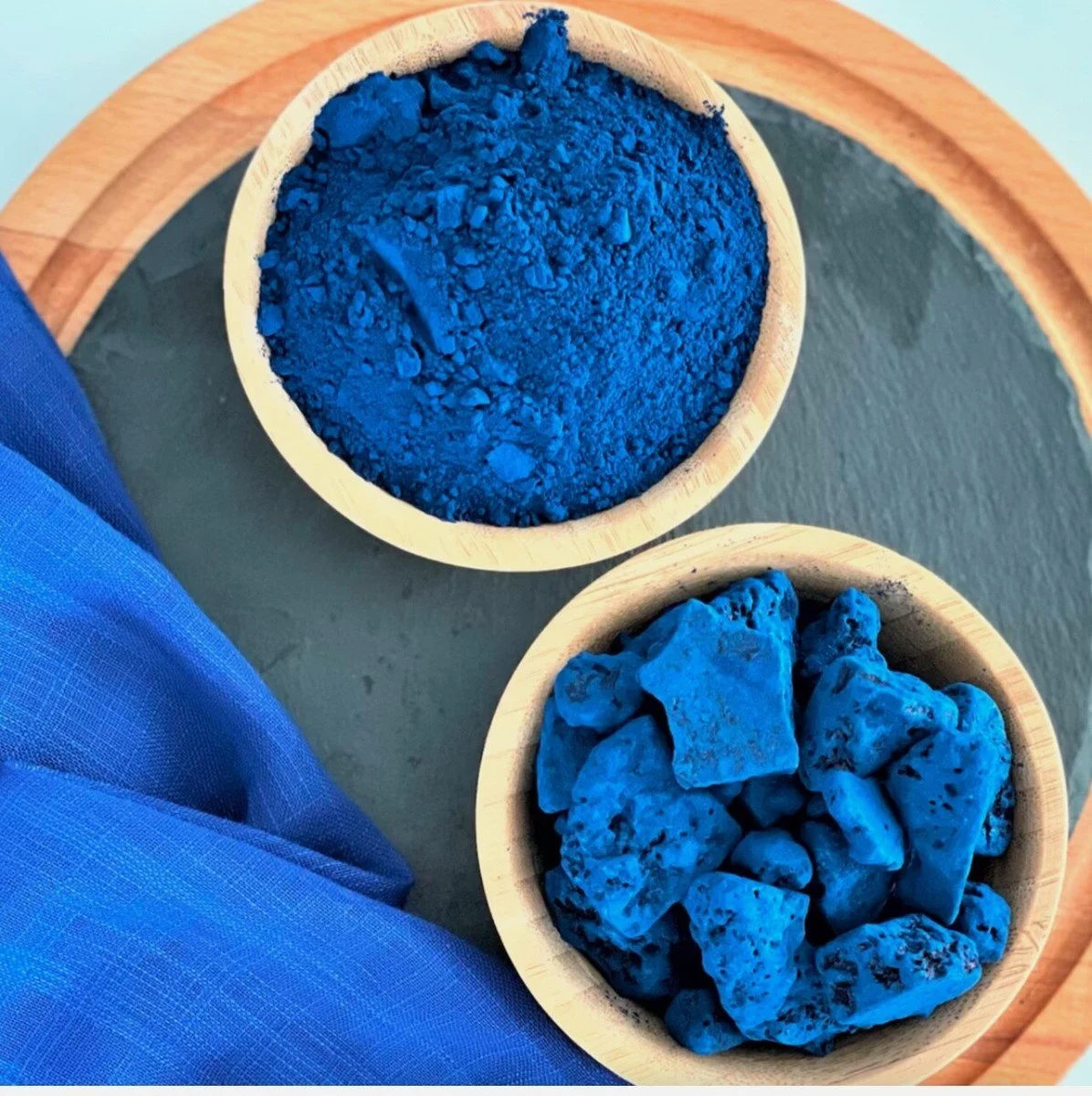
What is a pigment?
A pigment is a finely ground material that provides color. It can be:
Mineral — ochres, earths, ultramarine, azurite
Synthetic — many modern inorganic and organic pigments
Plant-derived — indigo and other historical colorants
Animal-derived — some historical pigments and lakes
Carbon-based — charcoal, lamp black, bone black
Pigment particles don't normally form a usable paint by themselves. They need something to hold them together and make them adhere to the surface.
That something is the binder.
The main binders artists use
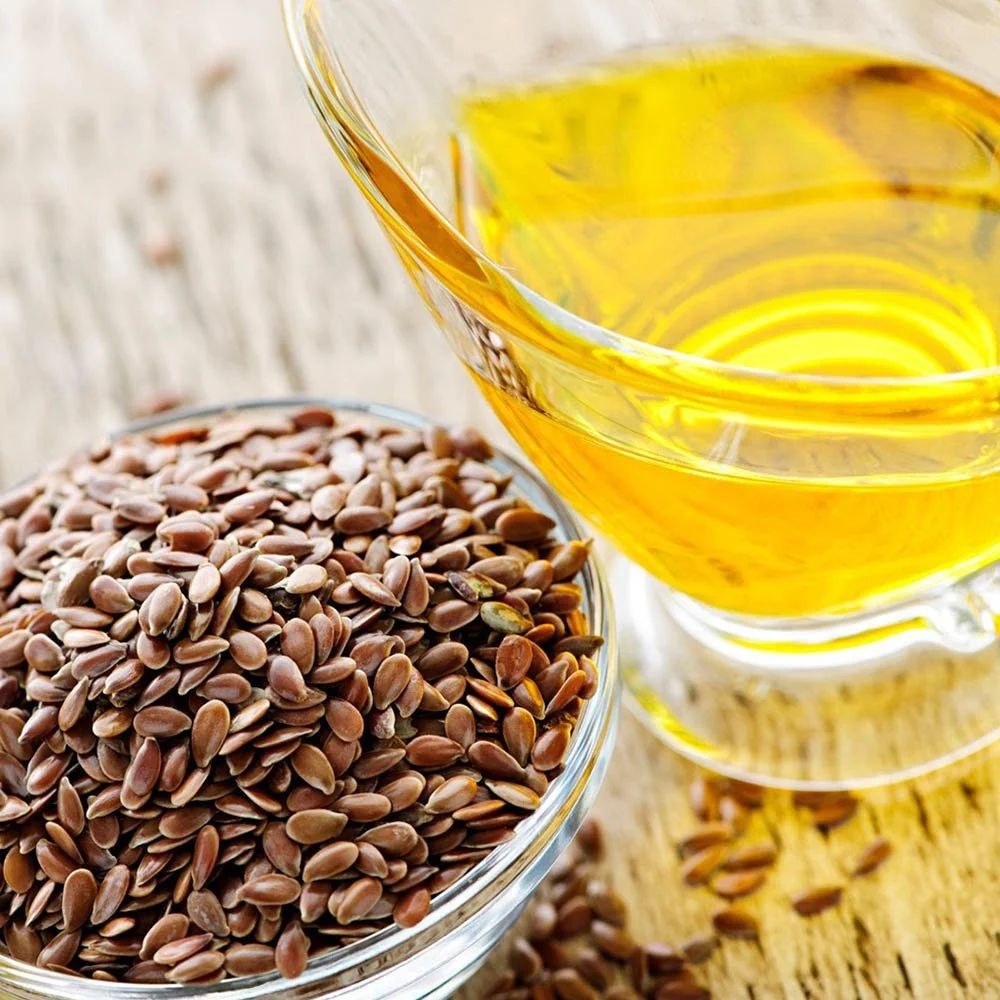
1. Linseed oil — oil paint
One of the best-known pigment binders is linseed oil, pressed from flax seeds.
Mixing pigment with drying oil produces oil paint.
Oil paint is valued for its rich color, long working time, transparency, depth, and ability to create both extremely thin glazes and thick impasto.
Artists traditionally grind the pigment and oil together on a glass slab with a glass muller, gradually incorporating the oil until the desired consistency is reached.
Linseed oil is particularly interesting because it is a drying oil. It doesn't simply evaporate. It reacts with oxygen and gradually forms a solid film around the pigment.
Best suited to:
Canvas
Wood panels
Properly prepared supports
Traditional oil painting
Rich, saturated color
Important: Oil paint isn't normally applied directly to raw paper. The oil can penetrate the paper and eventually contribute to deterioration. If you want to work with oil on paper, the support needs to be appropriately prepared or a suitable oil-painting paper should be used.
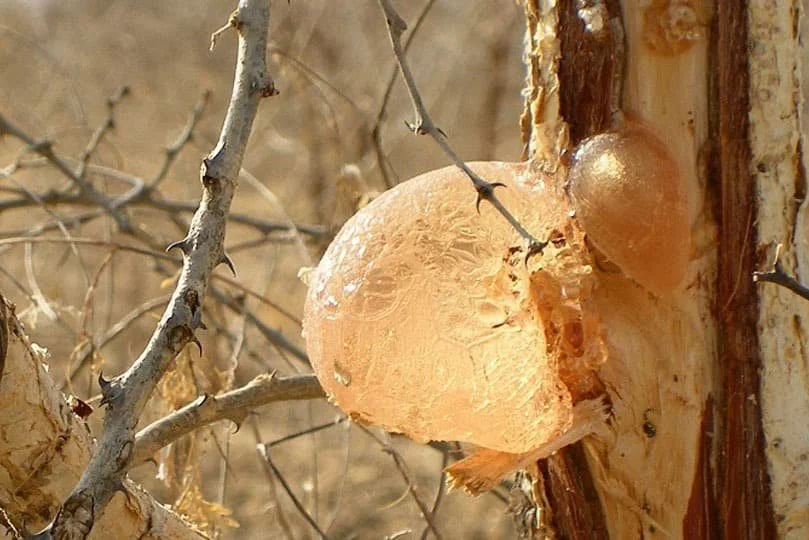
2. Gum arabic — watercolor and gouache
Gum arabic is one of the classic binders for water-based pigment paints.
It is a natural gum obtained primarily from acacia trees. Artists dissolve it in water and combine it with pigment to produce watercolor.
It creates a very different kind of paint from oil.
The resulting color can be transparent, fluid, luminous, and highly responsive to water.
This is particularly beautiful with pigments such as indigo, where the movement of water can become part of the artwork.
Best suited to:
Paper
Watercolor
Ink-like washes
Transparent painting
Fluid gestures
One limitation is that gum-arabic paint can generally be reactivated with water. It isn't the same thing as a waterproof acrylic film.
3. Egg yolk — egg tempera
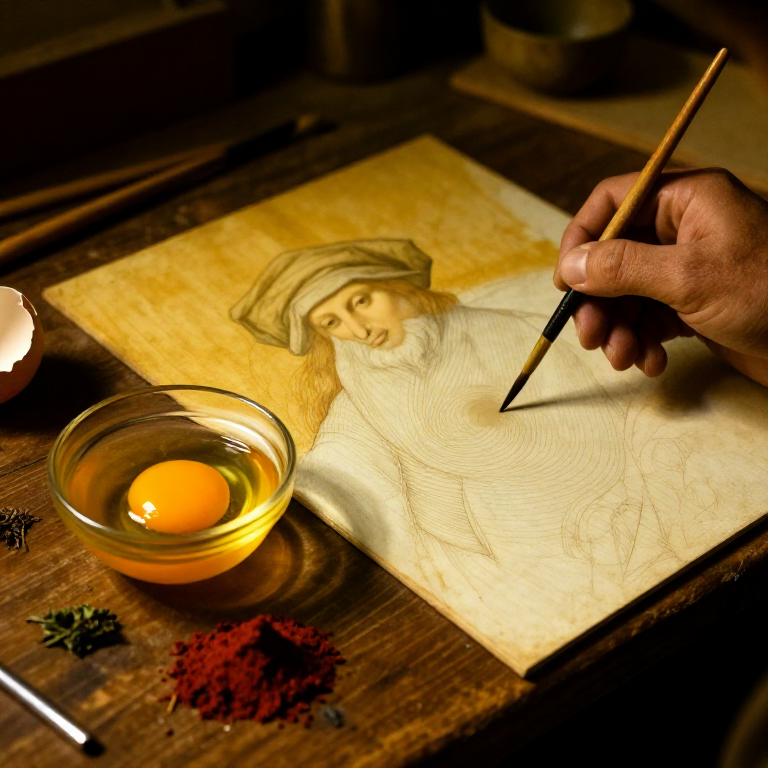
Before modern acrylics and many modern oil-painting materials, artists had another remarkably effective binder available: egg.
The yolk of an egg contains proteins and fats that can bind pigment into a durable paint.
This is called egg tempera.
Egg tempera dries relatively quickly and produces a distinctive matte, luminous surface. It was widely used in European painting before oil painting became dominant.
Best suited to:
Wood panels
Fine detail
Layered painting
Traditional techniques
Matte surfaces
It behaves very differently from oil: rather than remaining wet and blendable for a long time, tempera dries relatively quickly and is generally built up in successive layers.
4. Acrylic polymer — acrylic paint
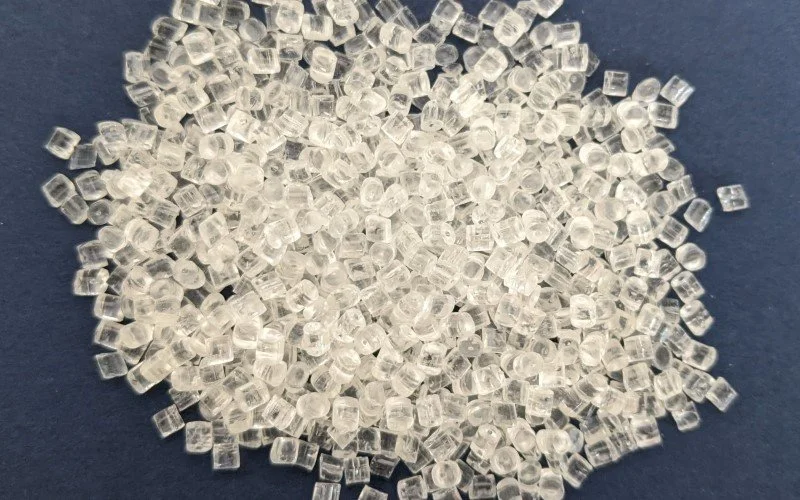
Modern artists can also mix pigments with an acrylic polymer emulsion.
This is essentially the technology behind acrylic paint.
The pigment is dispersed into an acrylic binder, producing a paint that dries relatively quickly into a flexible polymer film.
Acrylic can be made in many consistencies, from thick body paint to extremely fluid formulations.
Best suited to:
Paper
Canvas
Wood
Large-scale painting
Fluid gestures
Contemporary painting
For artists who want the fluidity of ink but the permanence of a paint film, a fluid acrylic binder can be particularly useful.
5. Casein — milk-protein paint
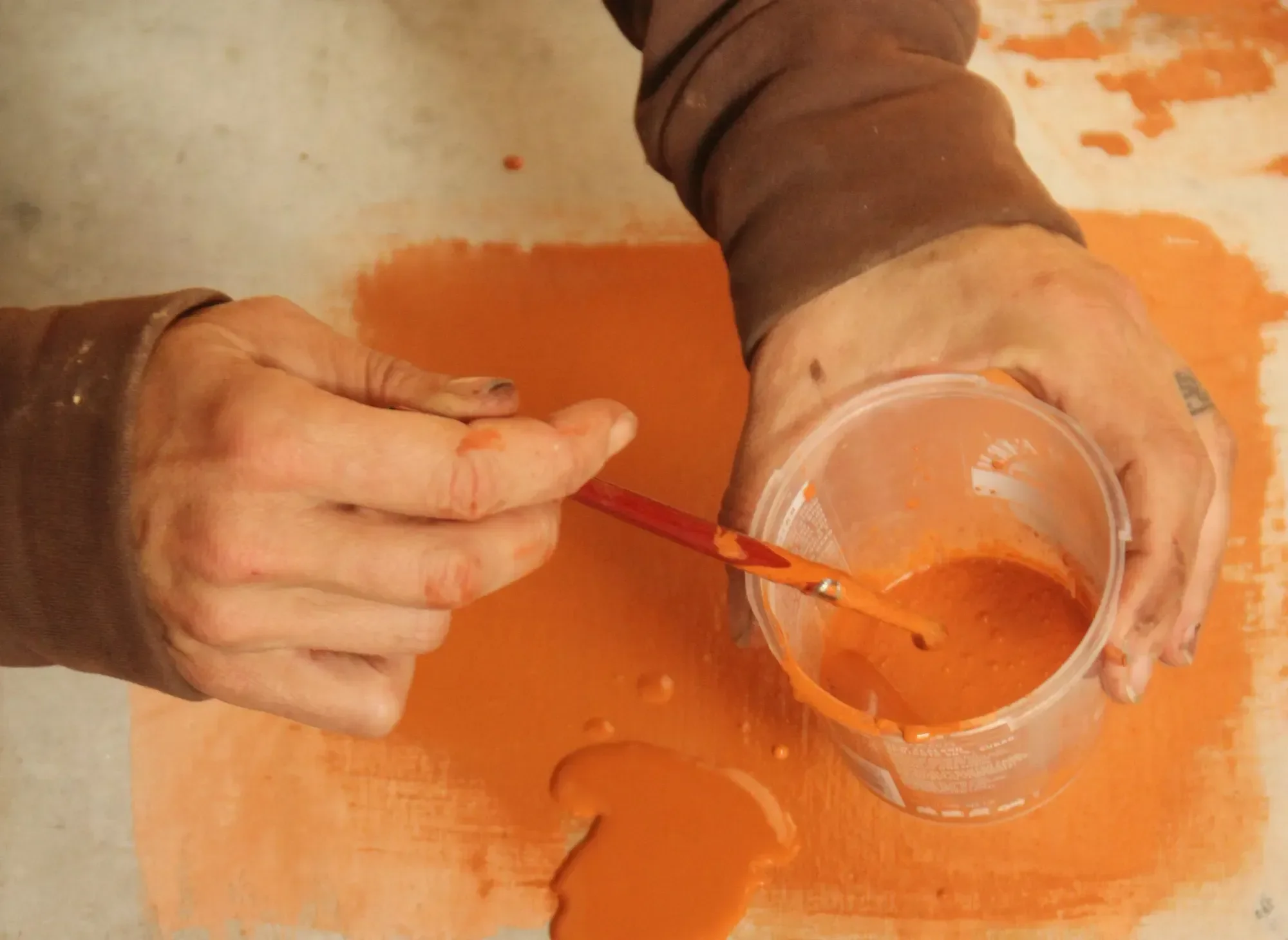
Casein is a protein found in milk and has also been used as a traditional paint binder.
Casein paint dries to a relatively matte, hard surface and can produce beautiful, slightly chalky colors.
It has been used on panels, walls, paper, and other supports.
It sits somewhere between traditional and modern painting materials and can be particularly interesting for artists who want a matte surface rather than the glossy film associated with some oils and acrylics.
6. Animal glue and distemper
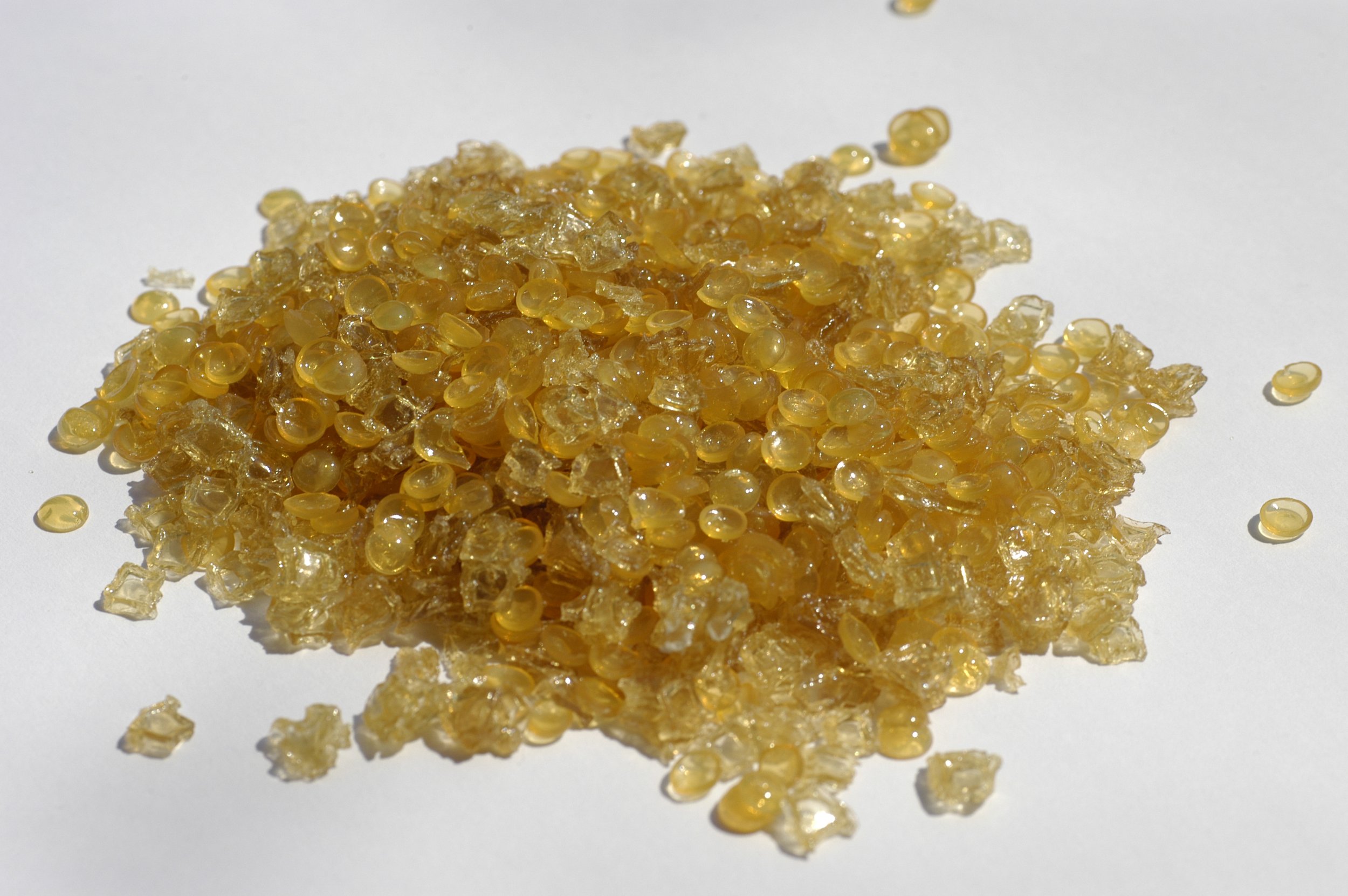
Animal glues such as hide glue have also been used as binders for pigments.
Traditional glue paints and distemper were used for decorative painting, murals, theater scenery, and other applications.
These materials are historically important, although they are generally more sensitive to moisture than modern acrylic systems.
7. Wax — encaustic
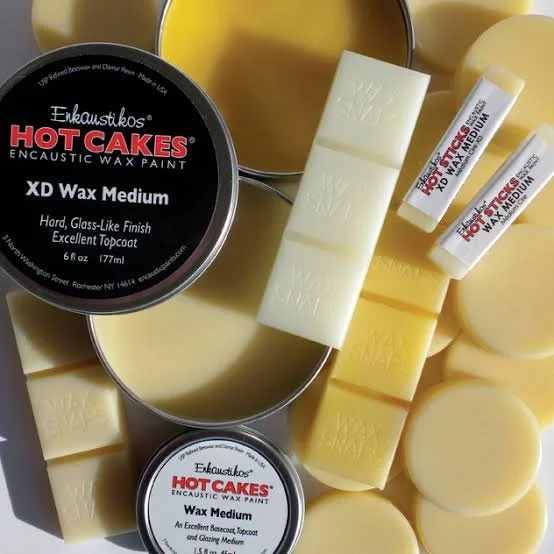
Pigment can also be suspended in wax.
This produces encaustic paint, traditionally made using beeswax.
The pigment is mixed with wax and applied while warm. Once cooled, the paint becomes a solid wax-based layer.
Encaustic produces a distinctive surface with depth, translucency, and texture.
Best suited to:
Rigid panels
Layered surfaces
Sculptural painting
Textural work
It isn't generally the first choice for raw paper.
So what should you mix with your pigment?
The simplest way to think about it is:
Pigment + binder = paint
The binder determines the type of paint:
Pigment + linseed oil = oil paint
Pigment + gum arabic = watercolor
Pigment + egg yolk = egg tempera
Pigment + acrylic polymer = acrylic paint
Pigment + wax = encaustic
That's the fundamental principle.