The titles of the works are the names of the hostages.


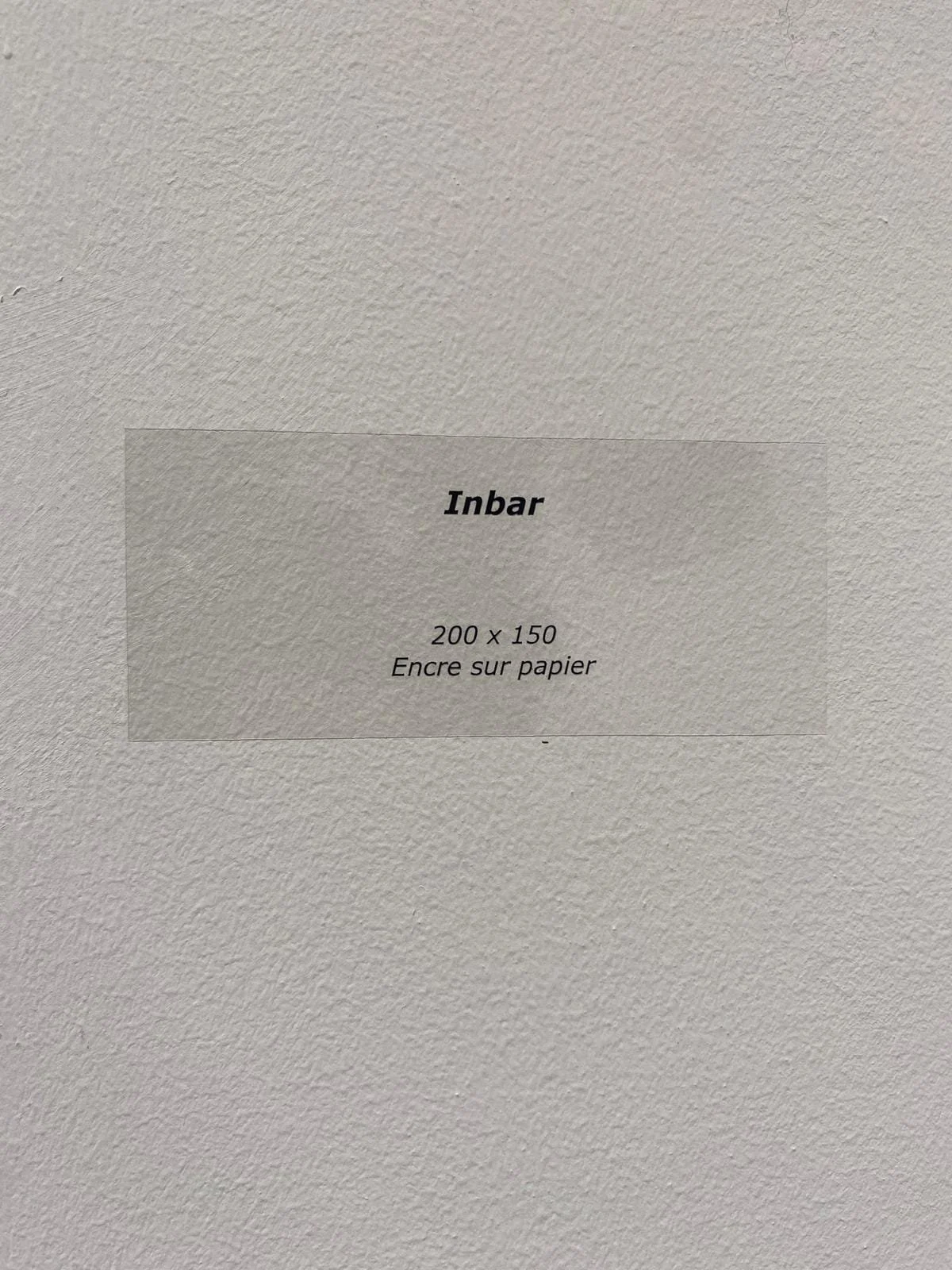


Recently sold drawings in their new home in TLV. Love seeing my lines in this beautiful young lady's room 💙

A Brother’s Relentless Pursuit: Moshe Or’s Journey to Find Avinatan and Fight for Justice
GirlieGirl Army is your Glamazon Guide to Conscious Living; a one-stop online resource for a ferociously progressive, urban-minded approach to cruelty-free living. We carry picket signs AND designer clutches. We preach AND we polish. Our message is simple: You can live large and still make a positive impact.
The Founder, Chloé Jo Davis
Chloé Jo Davis is often in the media and in print espousing her funny-girl-with-a-bone-to-pick expertise in conscious living, eco style, veganism, animal rescue, sustainability, attachment parenting, and breastfeeding. She has collaborated with About.com as their host and content creator of a series of 35 glam green videos on Katie Couric in a one on one interview with Katie about attachment parenting, been featured in Italian Elle photographed as a “rule changer” alongside Demi Moore photographed by Amanda De Cadanet, in Japanese Madame Figaro, and in Natural Child World magazine, and much more! Regularly featured on radio, print, and tv – discussing her favorite lines, tips, and musts as a Brand Partner and PR Friendly Influencer, Chloé and her husband, award-winning creative director Jeremy Davis, have 3 boys and now live in Connecticut with a menagerie of rescue pets.
Read My piece about Moshe Or`s Hostage brother on Girly girl Army

Home Work Self
So much of centering myself is related to how I view my world, divided into Home, Work, and Self.
For example:
Home: I need to call the plumber, buy presents for the kids, and start gathering ideas for dinner.
Work: I need wrapping paper, start promoting my new workshop, and buy some red supplies.
Self: Add castor oil, lavender oil, and argan oil to my rosemary oil hair spray.
Basically, it’s a way of getting things done while ensuring all fronts are covered.
These are the 3x3 categories I go through in my system:
Home: House, Kids, Partner
Work: Make, Show, Self
Self: Admin, Wellbeing, Social
Moving between these three fronts, while keeping myself at the center of it all, has helped me create a sense of balance. The more I visualize myself navigating this system—like moving through a Monopoly board—the more I realize I am none of these categories. I am simply the person making things happen (or not) in each area.
At the start of my career as a painter, every exhibition felt like a matter of life and death. Over time, I’ve come to understand that art, while essential to my identity, is not all that I am. This realization has given me a lot of freedom to explore other things, which, in the end, have enriched my work.
Seth Godin
To me, Seth is all about channeling my inner fragmentation into one cohesive blog. Left to my own devices, I’d probably start a separate blog for every topic. A painter’s blog that talks about motherhood? Unthinkable! Yet here I am.
My brain feels like a vegetable soup, with all the celery, carrots, and onions floating around in a chaotic mix.
Thank you, Seth, for making it crystal clear that I need to spend less time on social media and more time here. You’ve created a space where I can be unapologetically myself—something I wouldn’t have dared claim before listening to you.
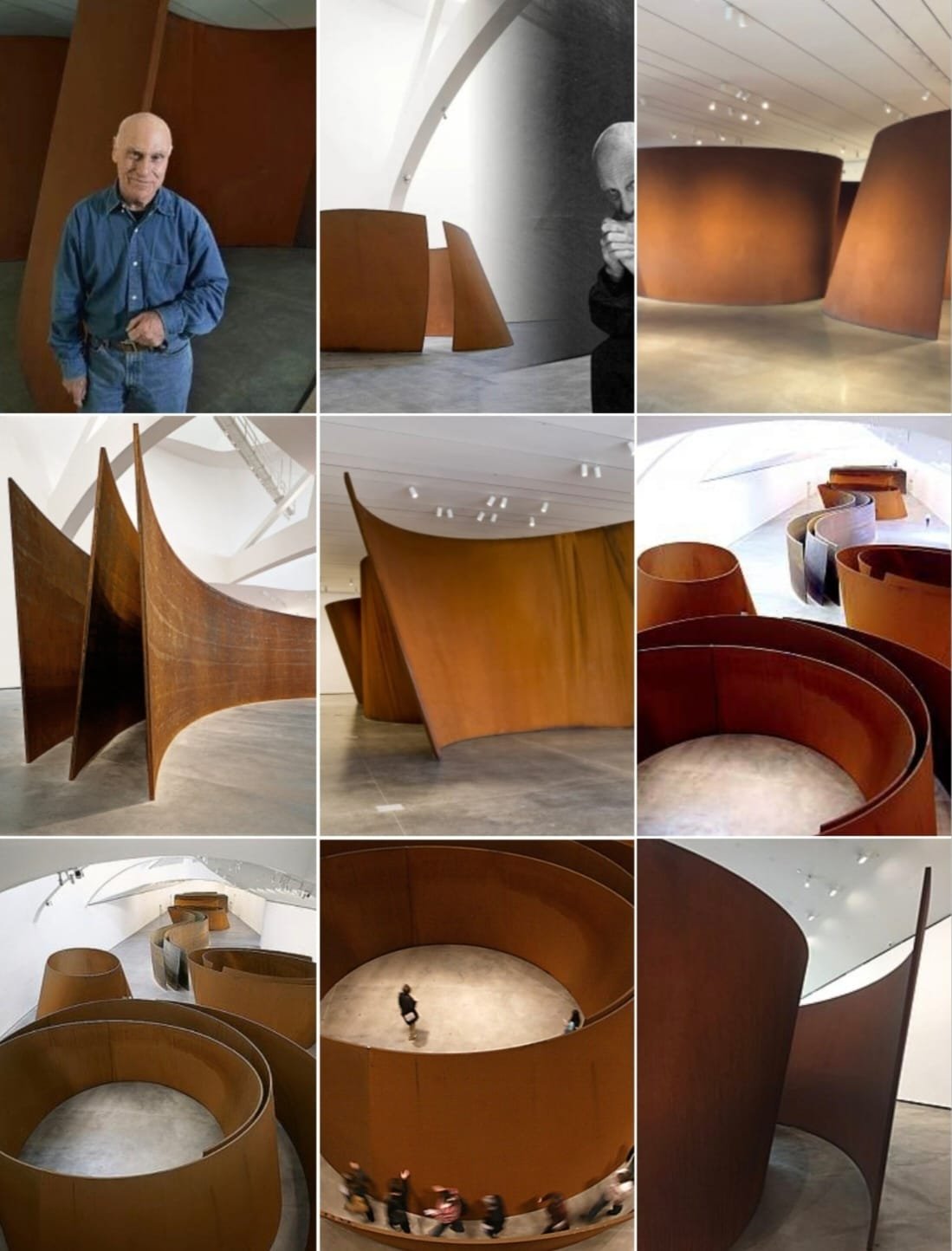
how can something so heavy be so light? Richard Serra's RIP
Richard Serra, Sculptor
Jeffrey Brown from the PBS NewsHour, Transcript by Daniel G. Hill.
RS: “A list of verbs. To cut, to roll, to form, to curve, to lean, to prop.”
JB: “And what was the idea?”
RS: “Just to take a material and in relation to a procedure, see what would happen. Now you could go through a lot of variations… Let me show you one. If you look at a piece like this, one of the verbs was called “To Lift.” I had a piece of rubber and it was about maybe eight or ten feet long. It was about four feet wide. I took it on its edge and I simply lifted it up. And I wondered if that was enough to sustain itself as a work of art. And because it had a continuous inside and outside surface and it free-stood and it really was an exposition of the activity of lifting, I thought that I can put my name on that. I wanted to really invent my own procedures for making what I thought could be considered a work of art.”
…
RS: I think what artists do and they’ll continue to do is they invent their own procedures. Because if you’re going to use the tools of another master, you’re never going to be able to deconstruct his house. You’re not going to be able to use the same tools if you're going to do your own original work. And I think every generation has to find its own tools and own procedures. And I think what’s interesting about art is that unexpected youth will take it somewhere else.
…
RS: This is how it begins. It always begins with models. And what we try to do, what we’re really involved with is invention of form and experimenting with form. And that’s what I’ve always been involved with.

Gratitude and Apricots
Naturally, I tend to have negative thoughts. To deal with this, I’ve found that gratitude works wonders for me. When I shift gears into a grateful mindset, I regain strength, and it feels like the wind returns to my sails.
For my kids, I introduced this practice as the Mishmishim Game. On one of my birthdays, Nina made me an album of songs she knows I love and called it Mishmishim. You can listen to it on SoundCloud here.
https://soundcloud.com/nina-gat-35060891/sets/mishmishim
Mishmish means apricot in Hebrew.
Imagine a plate of mishmishim in front of you. The goal is to “eat” ten of them by expressing gratitude for ten things. Here’s my plate for today:
I’m grateful for this blog.
I met some really nice people last night.
I finally have space in my closet to store my work.
My house is organized. I may be behind on about 100 other things, but at least I know what they are!
I can’t believe that 15 years after creating Home, Work, Self, it’s still thriving and evolving.
Each of my kids seems to be doing great, and I’m so proud of them.
Since the war in Israel began, I’ve met so many kind and wonderful people.
I’m at peace with how my studio work is progressing.
I think I’ve finally reached a stage in my life where I can dedicate more time to making books.
I’m turning 55 in two weeks, and I’m totally okay with it.


Best painters cinema
Usually, I feel embarrassed by how painters are represented in cinema, but I promised myself I’d watch at least ten films about this work I’ve been doing all my life. It should be possible, right?
Let’s give it a try:
Directed by Vincente Minnelli, this film stars Kirk Douglas as Vincent van Gogh and focuses on the turbulent life and artistic genius of the Dutch post-impressionist painter.
Directed by Julian Schnabel, this biographical drama follows the life of Jean-Michel Basquiat, a graffiti artist turned neo-expressionist painter, played by Jeffrey Wright.
Directed by Julie Taymor, this biographical drama stars Salma Hayek as Mexican surrealist painter Frida Kahlo, depicting her tumultuous relationship with fellow artist Diego Rivera, played by Alfred Molina.
Directed by and starring Ed Harris, this biographical film chronicles the life of American abstract expressionist painter Jackson Pollock, focusing on his artistic breakthroughs and personal struggles.
Directed by Mike Leigh, this biographical drama stars Timothy Spall as J.M.W. Turner, the eccentric and innovative British painter known for his landscapes and seascapes.
Girl with a Pearl Earring (2003)
Directed by Peter Webber, this historical drama is based on Tracy Chevalier's novel of the same name and imagines the creation of Johannes Vermeer's famous painting, with Scarlett Johansson portraying the titular girl.
Directed by Bruno Nuytten, this biographical drama focuses on the life of French sculptor Camille Claudel, played by Isabelle Adjani, and her relationship with sculptor Auguste Rodin, played by Gérard Depardieu.
Directed by Derek Jarman, this biographical drama explores the life and art of Italian Baroque painter Michelangelo Merisi da Caravaggio, known for his dramatic use of light and shadow.
Directed by Robert Altman, this biographical drama examines the complex relationship between Vincent van Gogh (played by Tim Roth) and his brother Theo (played by Paul Rhys), who supported him financially and emotionally.
Directed by Martin Provost, this French-Belgian biographical film tells the story of Seraphine de Senlis, a housekeeper and self-taught painter whose talent was discovered by German art critic Wilhelm Uhde, played by Ulrich Tukur.

Best tiny house designs
The best tiny house designs often combine functionality, efficiency, and creativity to maximize space and comfort within a small footprint. Here are some popular tiny house designs that are highly regarded:
The Tumbleweed Cypress: Tumbleweed Tiny House Company offers various models, but the Cypress is particularly popular for its efficient layout and customizable options. It features a loft bedroom, a full kitchen, a bathroom, and a living area, all within a compact design. More about the Cypress
The Escape Traveler: Escape Traveler offers tiny houses on wheels that are well-designed and built for mobility. Their models often feature modern interiors, full kitchens, bathrooms, and sleeping lofts, with optional upgrades such as solar panels and high-end finishes. More about the Traveler
The Minim House: The Minim House is known for its sleek and modern design, with a focus on maximizing space and functionality. It features a fold-down deck, a loft bedroom, a full kitchen, and a bathroom, all within a minimalist aesthetic. More about Minim House
The Bungalow by Tiny Heirloom: The Bungalow model by Tiny Heirloom offers a spacious interior with high ceilings and ample storage. It features a full kitchen, a bathroom with a shower, a sleeping loft, and a living area that can accommodate a sofa or additional sleeping space. More about The Bungalow
The Vardo by Rocky Mountain Tiny Houses: The Vardo is a unique tiny house design inspired by traditional Romani wagons. It features a curved roof, a cozy interior with a sleeping loft, a kitchenette, and a bathroom. Its whimsical design and attention to detail make it a standout option. More about The Vardo
The Pod by Tiny House Scotland: The Pod is a compact and energy-efficient tiny house design that emphasizes sustainability and off-grid living. It features a curved roof for rainwater collection, solar panels for electricity, and a composting toilet. Despite its small size, it offers a comfortable living space with a kitchenette, a sleeping loft, and a bathroom. More about The Pod
The Modern Tiny Living THOW: Modern Tiny Living offers a range of tiny house designs, including models with sleek, contemporary aesthetics. These designs often feature open floor plans, high ceilings, large windows for natural light, and modern finishes. More about Modern Tiny Living
The NestPod by Tiny House UK: The NestPod is a compact and lightweight tiny house design that can be towed by a car. It features a modular interior layout with customizable options, including a kitchenette, a bathroom, and a sleeping area. More about The NestPod
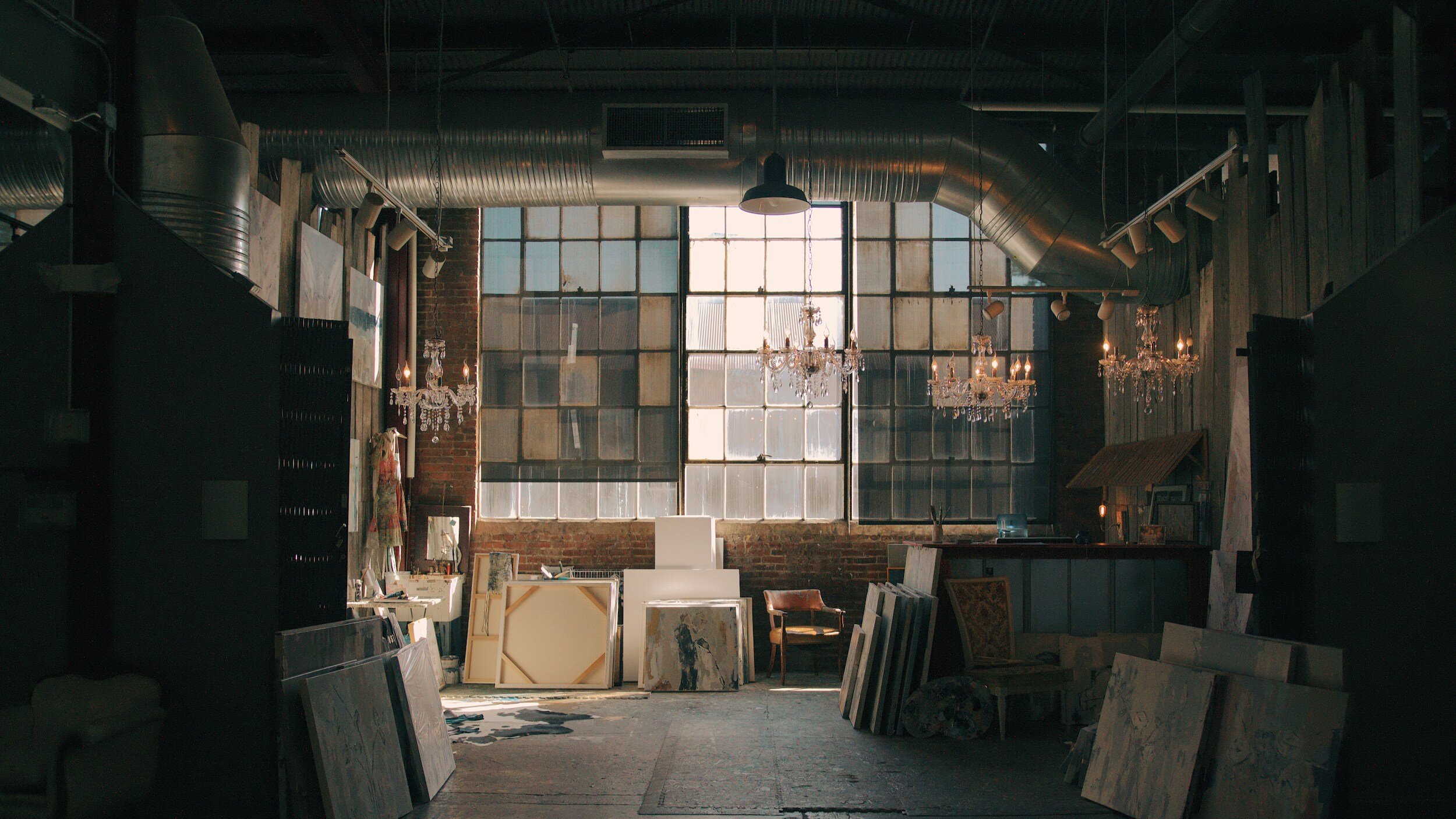
Real estate strategies for Artists
For artists looking to invest in real estate, the strategies often revolve around maximizing both their living and creative spaces. Here are some key real estate strategies that can help artists achieve financial and creative freedom:
Live-Work Spaces
A live-work space allows artists to both live and create art in one place. This setup can save time, provide convenience, and make art creation more accessible. Such spaces are often affordable, combining the cost of housing with the functionality of a studio.
Learn more about Live-Work SpacesCreative Financing
Since artists may have irregular income, exploring creative financing options like low-down-payment loans or artist-specific financing programs can make purchasing property more feasible.
Explore Creative Financing for ArtistsCommunity Development
Investing in up-and-coming neighborhoods offers the chance to contribute to the local arts scene while potentially benefiting from property appreciation over time.
How to Invest in Creative CommunitiesRental Income
Rental properties can be a passive income source for artists. Investing in multi-unit buildings or renting out parts of their own property can help artists sustain their practice financially.
Learn about Rental Income StrategiesArtist Residencies
While not a long-term real estate investment, artist residencies provide valuable opportunities for creative growth, exposure, and networking. Many residencies offer unique living and working spaces.
Find Artist ResidenciesCooperative Housing
Cooperative housing allows residents to collectively own and manage a property, fostering a sense of community and providing financial benefits over traditional homeownership.
Understanding Cooperative HousingHome Equity Loans
For artists who own property, home equity loans can be a way to fund projects, exhibitions, or art-related endeavors by leveraging the value of their homes.
How to Use Home Equity for InvestmentsInvesting in Studio Space
For many artists, having dedicated studio space is essential. Whether purchasing or renting, studio space offers a productive environment for creativity and making art.
Investing in Studio SpaceArtistic Districts
Investing in properties located in artistic districts provides artists with access to resources, networking opportunities, and a supportive community.
Investing in Artistic DistrictsLong-Term Planning
Artists should think long-term when making real estate decisions, aligning their investments with their artistic goals and financial aspirations. Seeking professional financial advice can help in this process.
Real Estate Planning for Artists
By combining smart real estate strategies and innovative tiny house designs, artists can enhance their creative work and financial stability. Whether you’re looking for an affordable live-work space or seeking long-term investments to fund your art practice, these strategies and designs offer multiple pathways to success.